
How Often to Reseal Asphalt Driveway in Southern California’s Climate
One of the most common questions many homeowners ask is how often to reseal asphalt driveway surfaces to keep them protected and looking their best.
Resealing plays a major role in driveway maintenance, helping asphalt driveways resist wear caused by traffic, sun exposure, moisture, and time.
Knowing the right time to reseal depends on several factors, including weather conditions, usage, and the current condition of the asphalt surface.
This guide explains how often resealing is needed, what signs to watch for, and how proper sealing helps your driveway lasts longer.
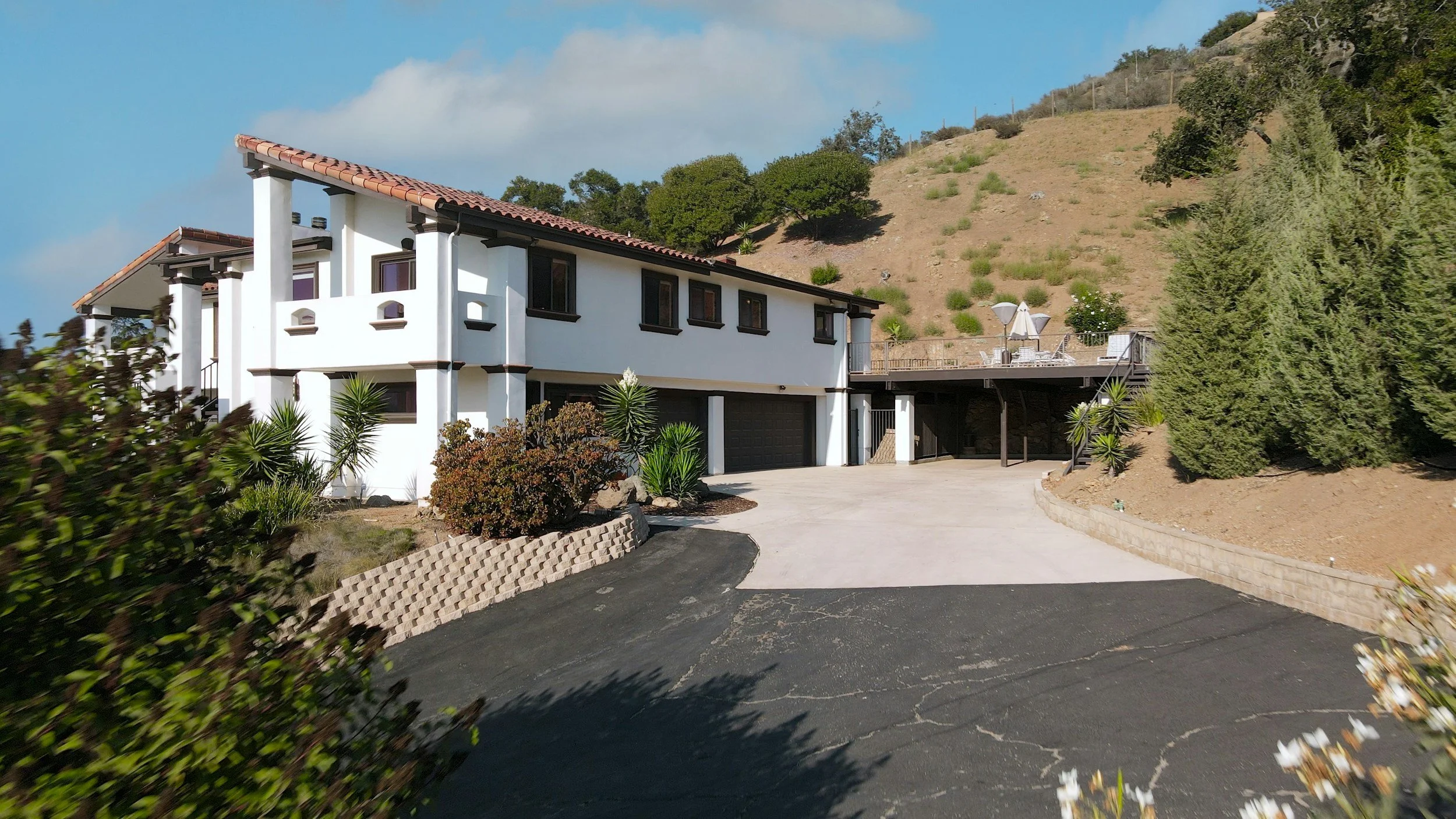
Key Takeaways
Most asphalt driveways need resealing every few years
Sun exposure, heavy traffic, and weather conditions affect reseal timing
Ignoring small cracks can lead to costly repairs
Proper seal coating protects against water penetration and uv rays
Professional sealing improves curb appeal and protects the entire driveway
Table of Contents
How Often to Reseal an Asphalt Driveway
Signs It’s Time to Reseal
Understanding how often you should seal starts with visual inspection. When the surface begins to show a faded color, visible cracks, or reduced water beading, it’s usually the right time to reseal.
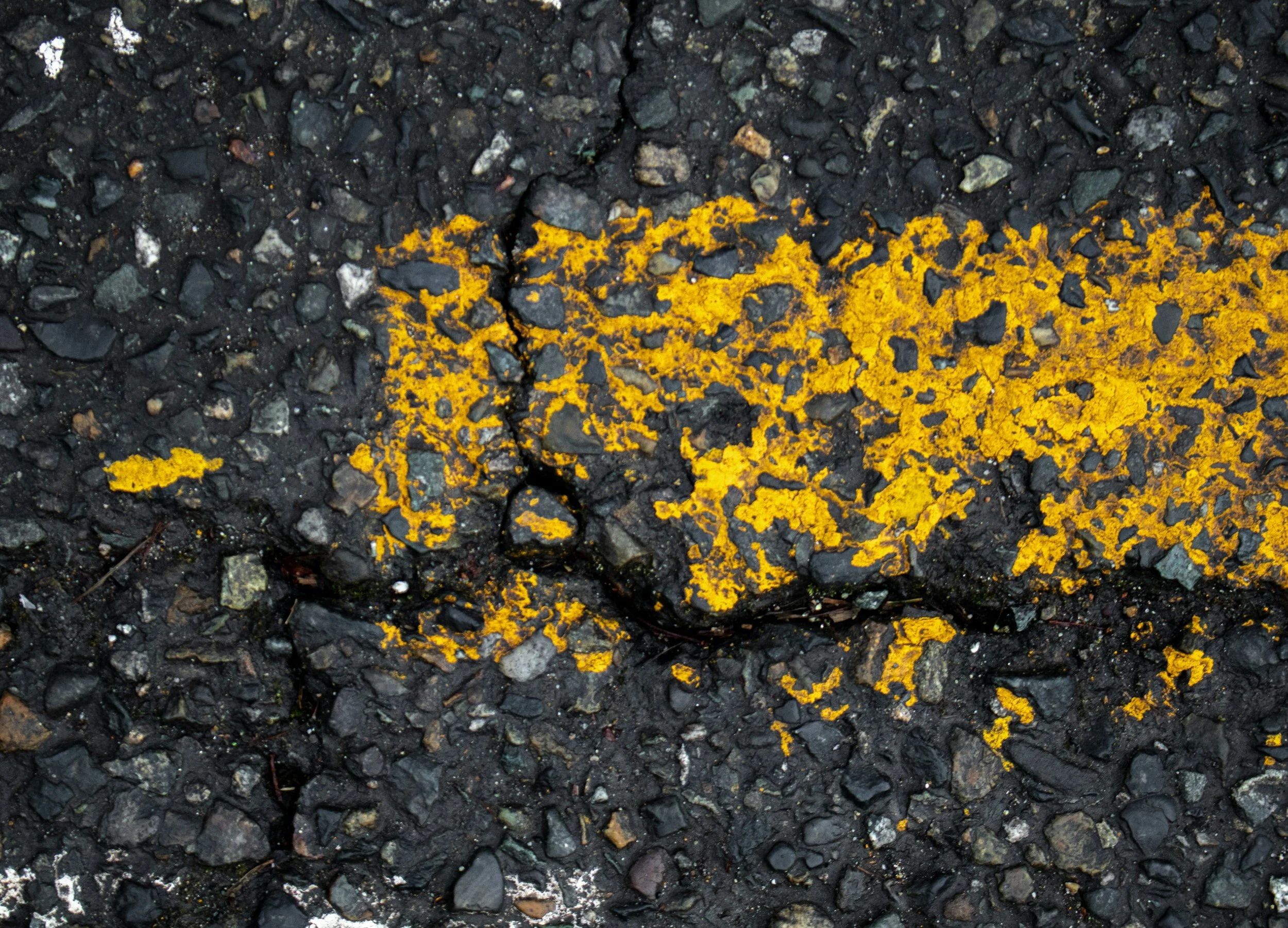
Small cracks may not seem serious, but once cracks form, moisture enters the pavement, weakening the structure and increasing the risk of potholes. If left untreated, this damage spreads across the entire driveway.
A freshly sealed driveway maintains a darker finish and smoother surface, improving the driveway's appearance and your home's curb appeal.
Factors That Affect Resealing Frequency
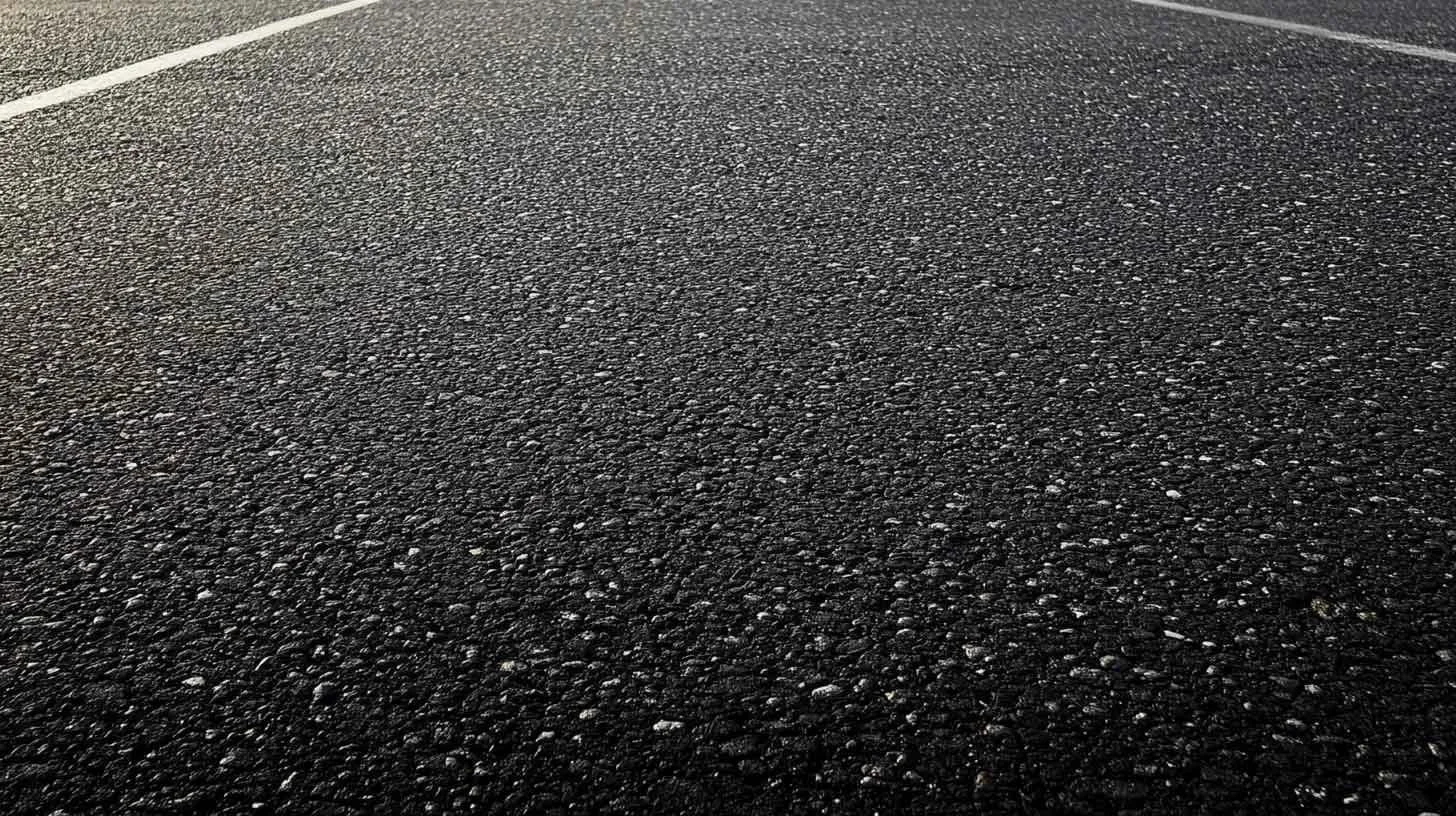
How often you should seal an asphalt driveway can vary based on several factors:
Sun exposure and uv rays
Freeze thaw cycles in colder climates
Heavy traffic or frequent vehicle use
Exposure to chemical spills or road salt
The type of sealant and application method used
For residential driveways, resealing every few years is common, while parking lot surfaces or commercial property areas often require more frequent sealing due to higher traffic loads.
What Happens If You Wait Too Long
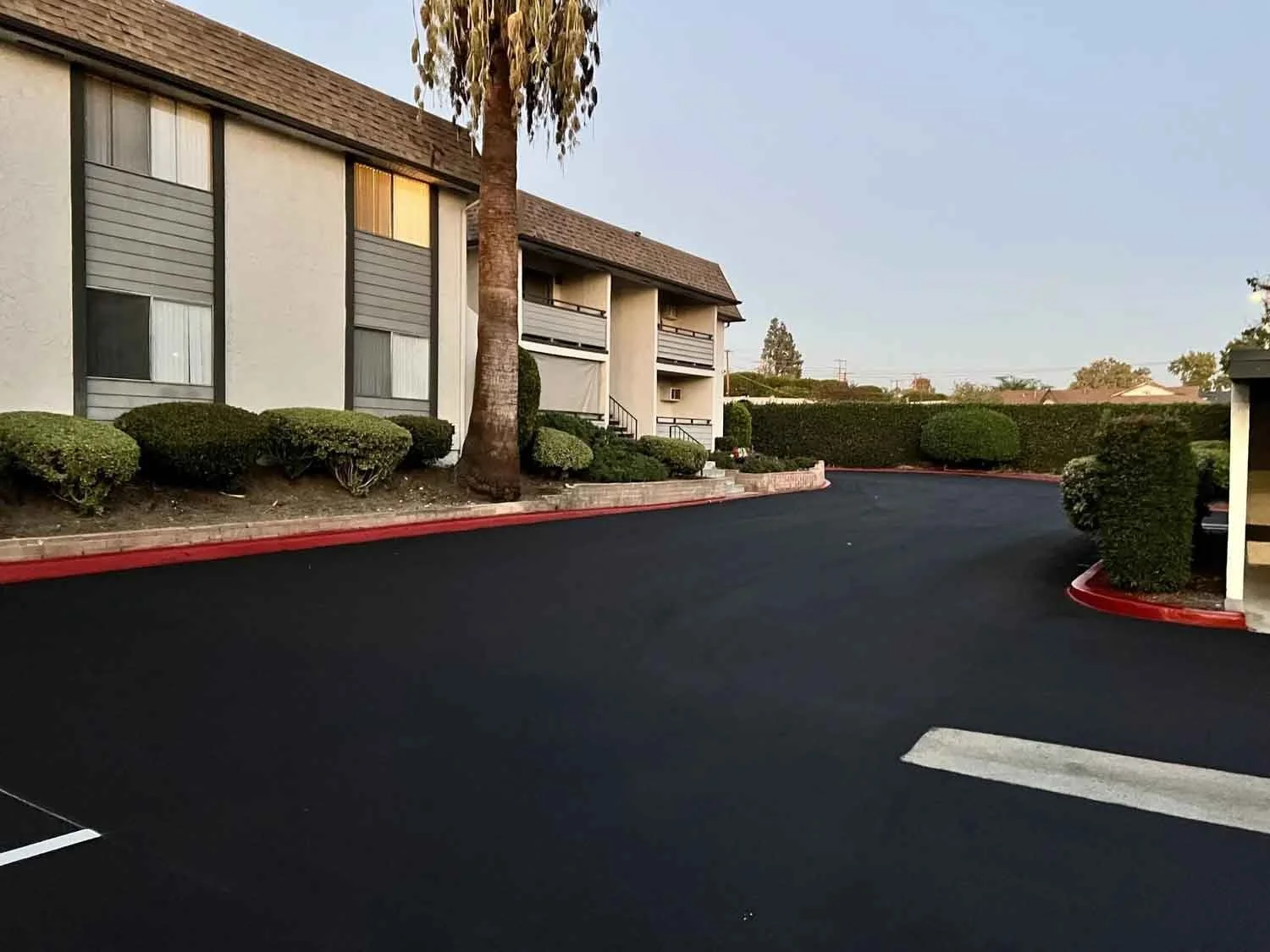
Delaying resealing allows harmful elements like moisture, oil, and debris to penetrate the top layer of asphalt.
Over time, this leads to large cracks, structural weakness, and eventually costly repairs.
Without timely seal coating, the asphalt surface loses flexibility, especially in areas with freezing temperatures or intense heat.
This shortens the life of the pavement and increases long-term costs involved.
The Resealing Process Explained
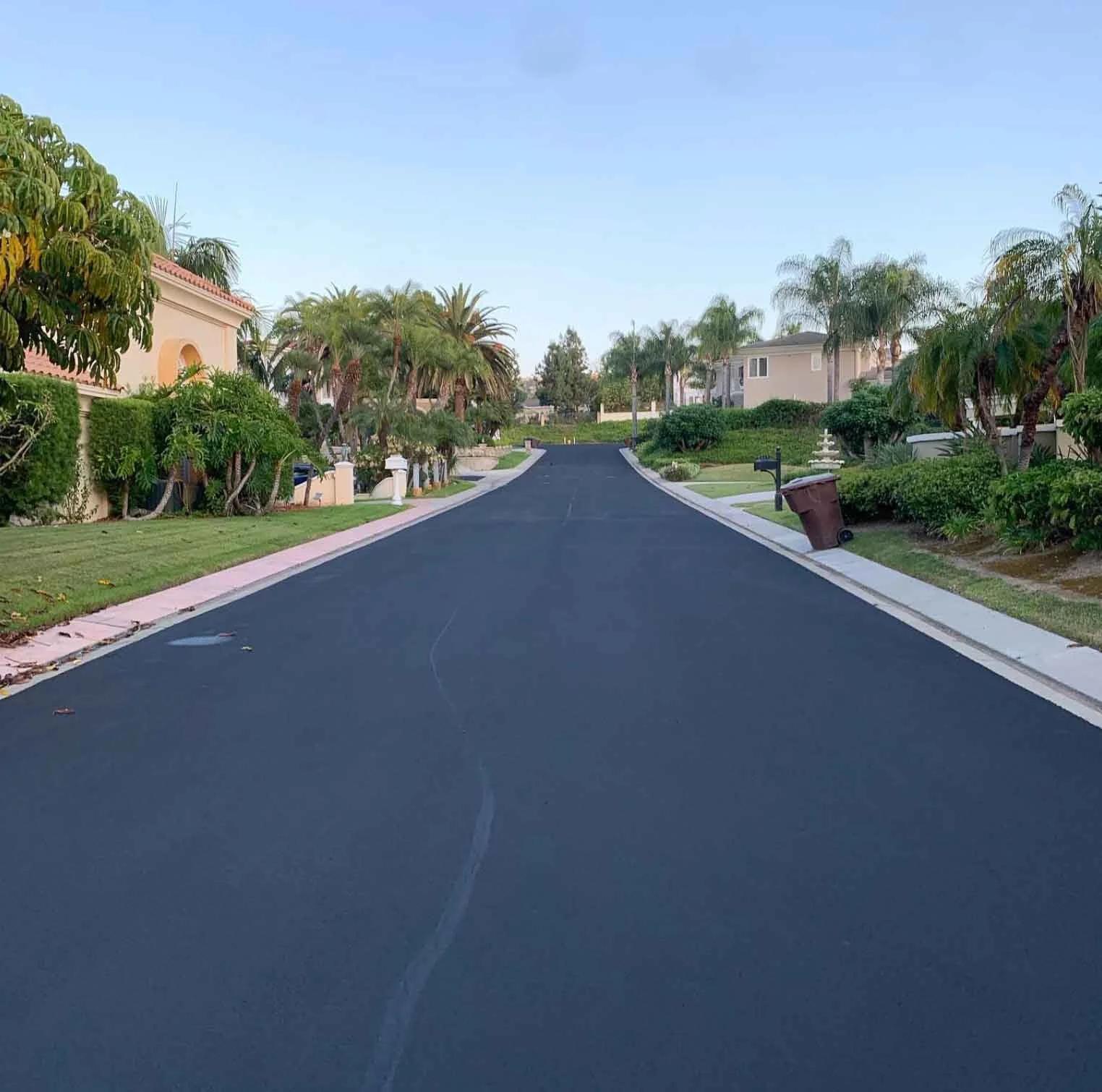
Before applying sealant, the driveway must be thoroughly cleaned using a pressure washer to remove dirt and residue.
Any crack filling should be completed to repair cracks and prevent further damage.
Professionals use commercial grade sealants or pavement sealer products designed for durability.
These sealants form a protective layer that shields the asphalt from water penetration, uv rays, and traffic wear.
Most applications involve two coats, with a second coat applied after the first has had time to fully cure.
In some cases, an extra layer or final coat may be recommended for larger driveways or high-use areas.
Asphalt vs Other Surfaces
Compared to a concrete driveway, asphalt driveways are more flexible and easier to reseal. Concrete surfaces rely on expansion joints and are more prone to visible cracking in harsh environmental conditions.
Unlike gravel surfaces, asphalt provides a smooth surface, better durability, and easier regular maintenance.
With proper seal coating, asphalt remains the preferred choice for both residential driveways and parking lot installations.
City Service Asphalt
City Service Asphalt works with homeowners and property managers to keep asphalt driveways and parking lot surfaces in top shape.
Their approach focuses on correct sealant type, professional application method, and timing based on real-world weather conditions.
This ensures every sealing job protects the asphalt surface, reduces cracks, and extends the overall lifespan of the pavement.
Final Thoughts
Knowing how often to reseal asphalt driveway surfaces helps prevent long-term damage and avoid unnecessary repairs.
With consistent sealing, your driveway stays protected, looks better, and lasts longer.
If you’re unsure whether it’s the right time to reseal, professional advice can save you time, reduce costly repairs, and protect your investment.
Get a Free Quote to keep your driveway looking and performing at its best.
FAQs
How long should I wait before resealing new asphalt?
A new driveway should typically cure before resealing. Sealing too early can trap oils and affect durability.
Can resealing fix existing cracks?
Resealing protects the surface, but cracks should be repaired first using proper crack filling methods.
Does climate affect how often resealing is needed?
Yes. Hot climates, colder climates, and areas with freeze thaw cycles all influence reseal frequency.
How long does a seal coat take to dry?
Most seal coating applications need dry weather and time to fully cure before use.
Is resealing worth the cost?
Yes. Regular sealing reduces long-term costs involved and helps avoid major repairs later.
CITY SERVICE ASPHALT
Reliable paving, sealcoating, and repair experts serving Corona, Riverside, and Orange County. Providing long-lasting asphalt solutions built to withstand California’s weather.
GET IN TOUCH
769 Beverely Road, Corona CA 92879

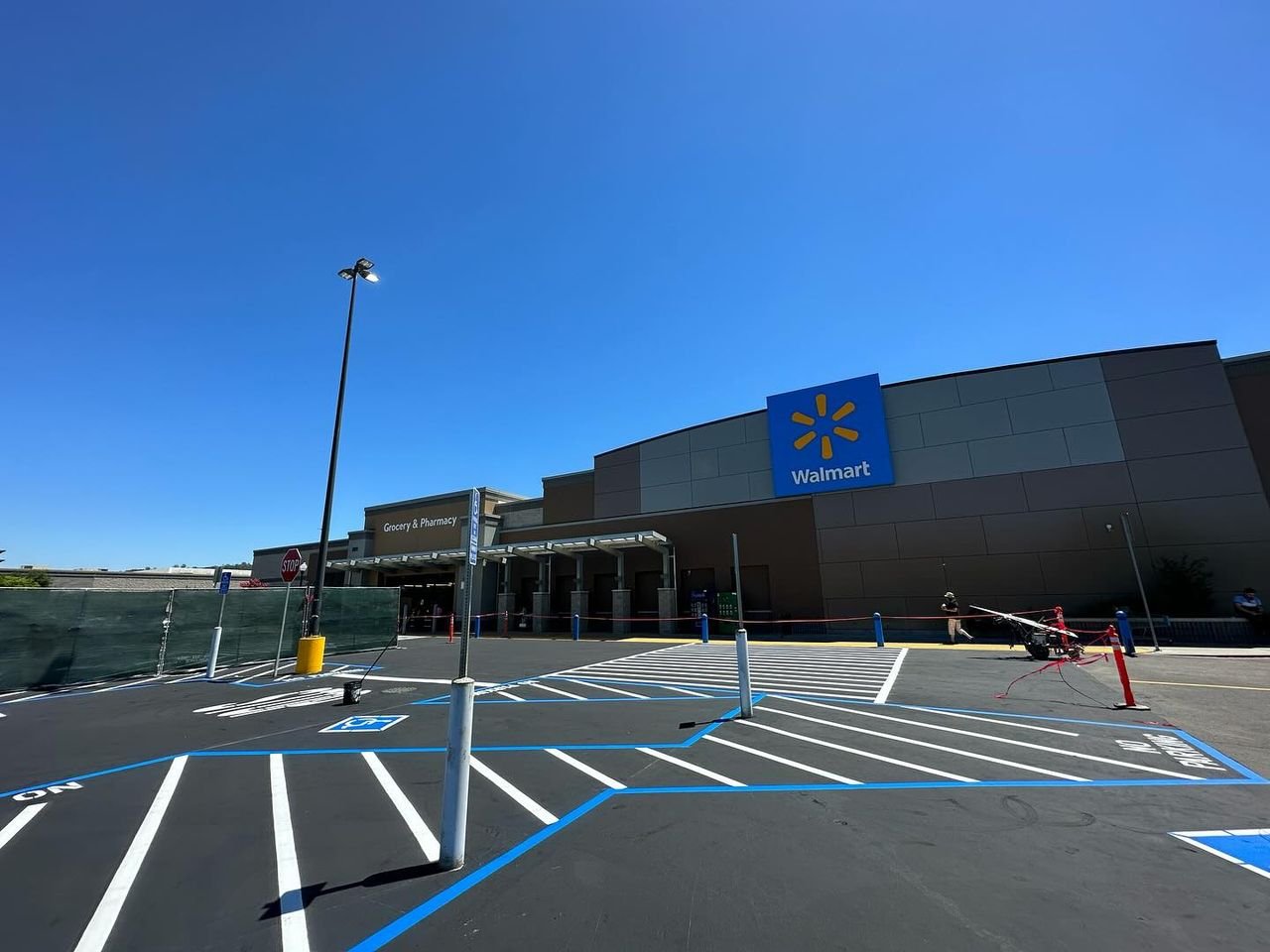


Sealcoating is one of the most effective ways to protect a commercial parking lot. This guide explains how to seal an asphalt parking lot, when to do it, and how it helps extend pavement life.