
How to Seal an Asphalt Parking Lot
A Step-by-Step Guide for Property Owners
Knowing how to seal asphalt parking lot surfaces properly is one of the most important parts of protecting a commercial property.
Sealcoating helps extend pavement life, improves appearance, and reduces long-term repair costs.
For parking lots exposed to traffic, oil spills, sunlight, and weather, sealing isn’t optional — it’s preventative maintenance.
This guide explains when, why, and how asphalt parking lots should be sealed, and what property owners need to know before starting.
Key Takeaways
Asphalt is more cost-effective for most commercial parking lots
Asphalt allows for faster installation and less business disruption
Concrete lasts longer in some cases but costs more to install and repair
Asphalt repairs are simpler, quicker, and less noticeable
Choosing the right material depends on traffic, budget, and long-term goals
Table of Contents
When Should You Seal an Asphalt Parking Lot?
Timing is critical when sealing asphalt.
The best conditions for sealcoating include:
Dry weather
Temperatures between 50°F and 90°F
No rain forecast for at least 24–48 hours
Most parking lots should be sealed every 2–4 years, depending on traffic levels and exposure. New asphalt should generally cure for 6–12 months before the first sealcoat is applied.
Step-by-Step: How to Seal an Asphalt Parking Lot
1. Inspect the Parking Lot
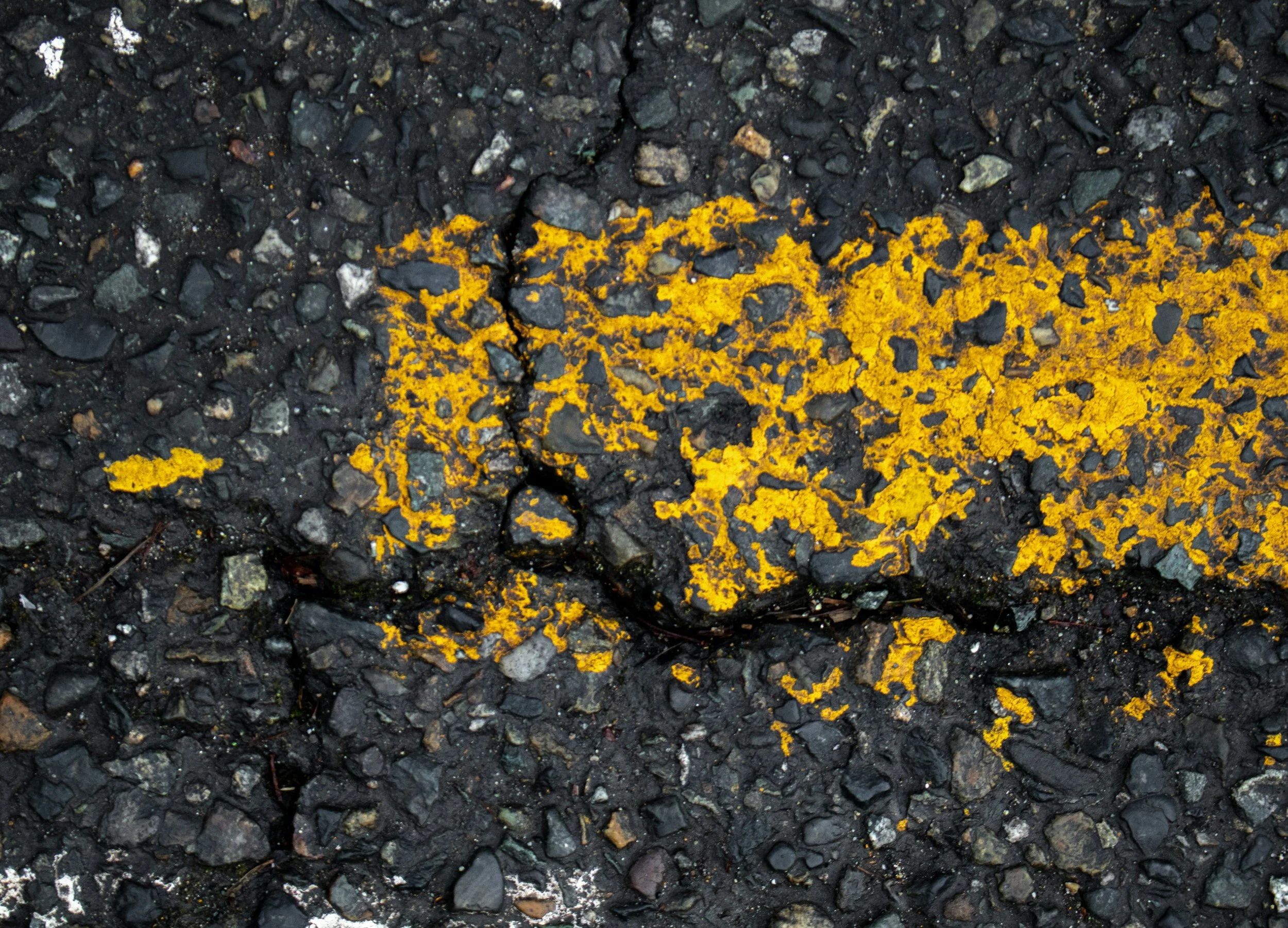
Before sealing, the surface must be evaluated. Look for cracks, potholes, oil stains, and drainage issues. Sealcoating should never be applied over damaged asphalt without repairs.
2. Clean the Surface Thoroughly
A clean surface is essential. This includes:
Removing dirt and debris
Power washing the pavement
Treating oil stains with primer or degreaser
Sealcoat will not bond properly to dirty or contaminated asphalt.
3. Repair Cracks and Damaged Areas
All cracks and potholes must be repaired before sealing. Crack filling prevents water intrusion and ensures the sealcoat forms an even, durable layer across the parking lot.
Skipping this step shortens the lifespan of the sealcoat and leads to premature failure.
4. Apply the Sealcoat Evenly
Sealcoat is applied using professional spray systems or squeegees, depending on lot size and condition. Even application is critical to avoid thin spots, pooling, or streaking.
Commercial-grade sealants are designed to protect against UV rays, water, oil, and oxidation.

5. Allow Proper Drying Time
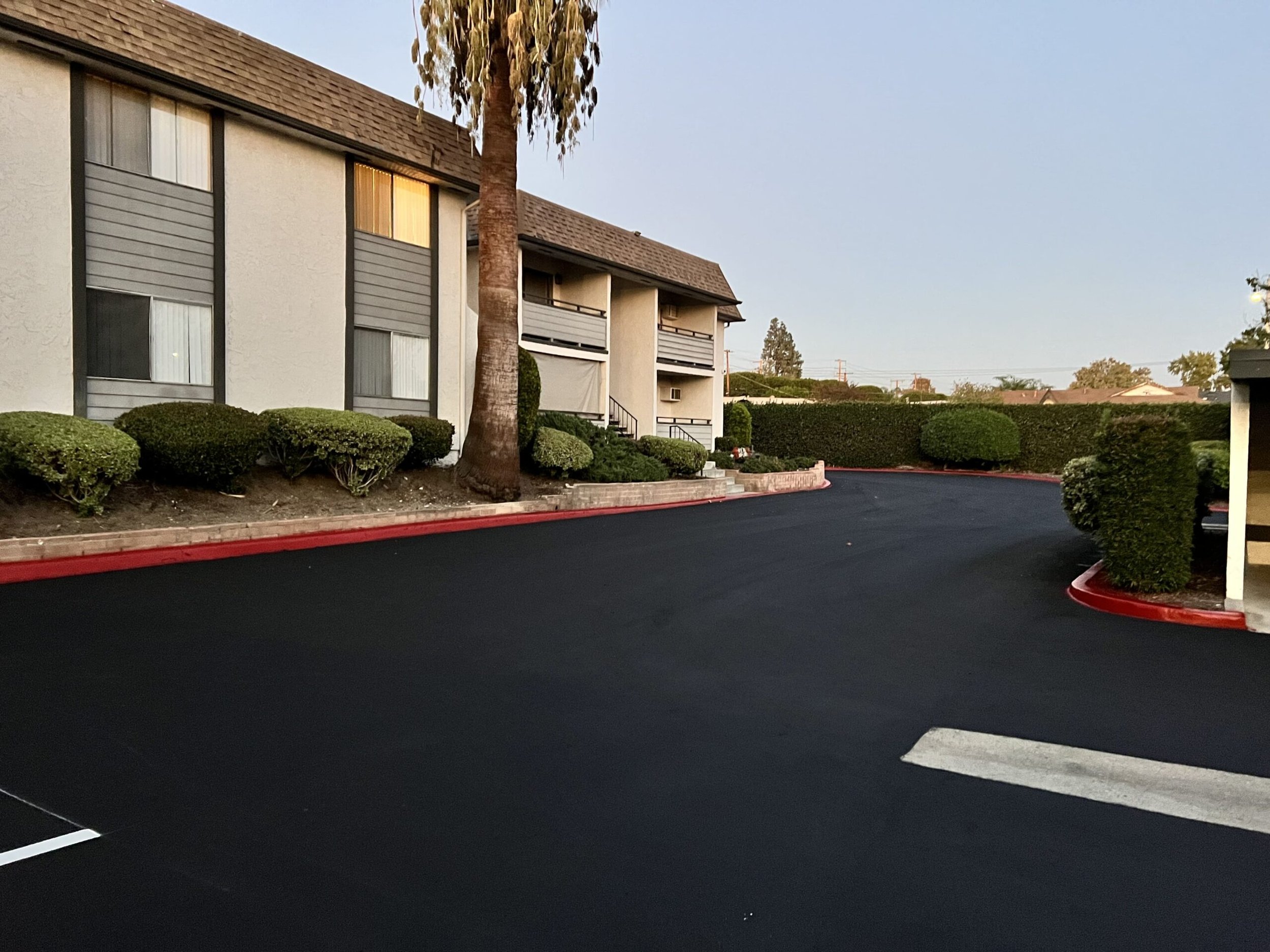
Once applied, the sealcoat must dry fully before traffic is allowed back onto the surface.
Drying times vary based on weather, but most lots require 24–48 hours before reopening.
Premature traffic can damage the sealcoat and reduce effectiveness.
6. Reapply Striping and Markings
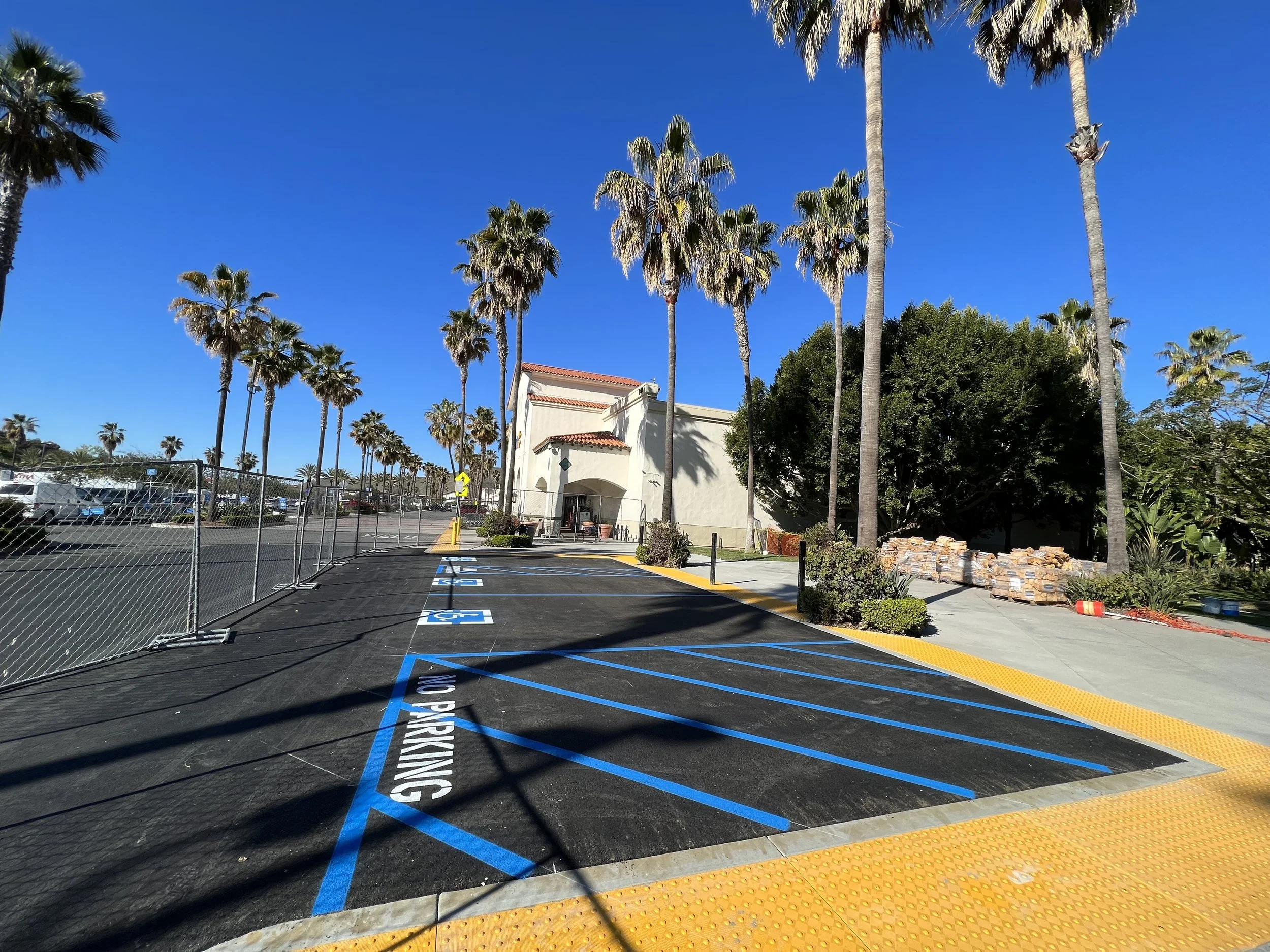
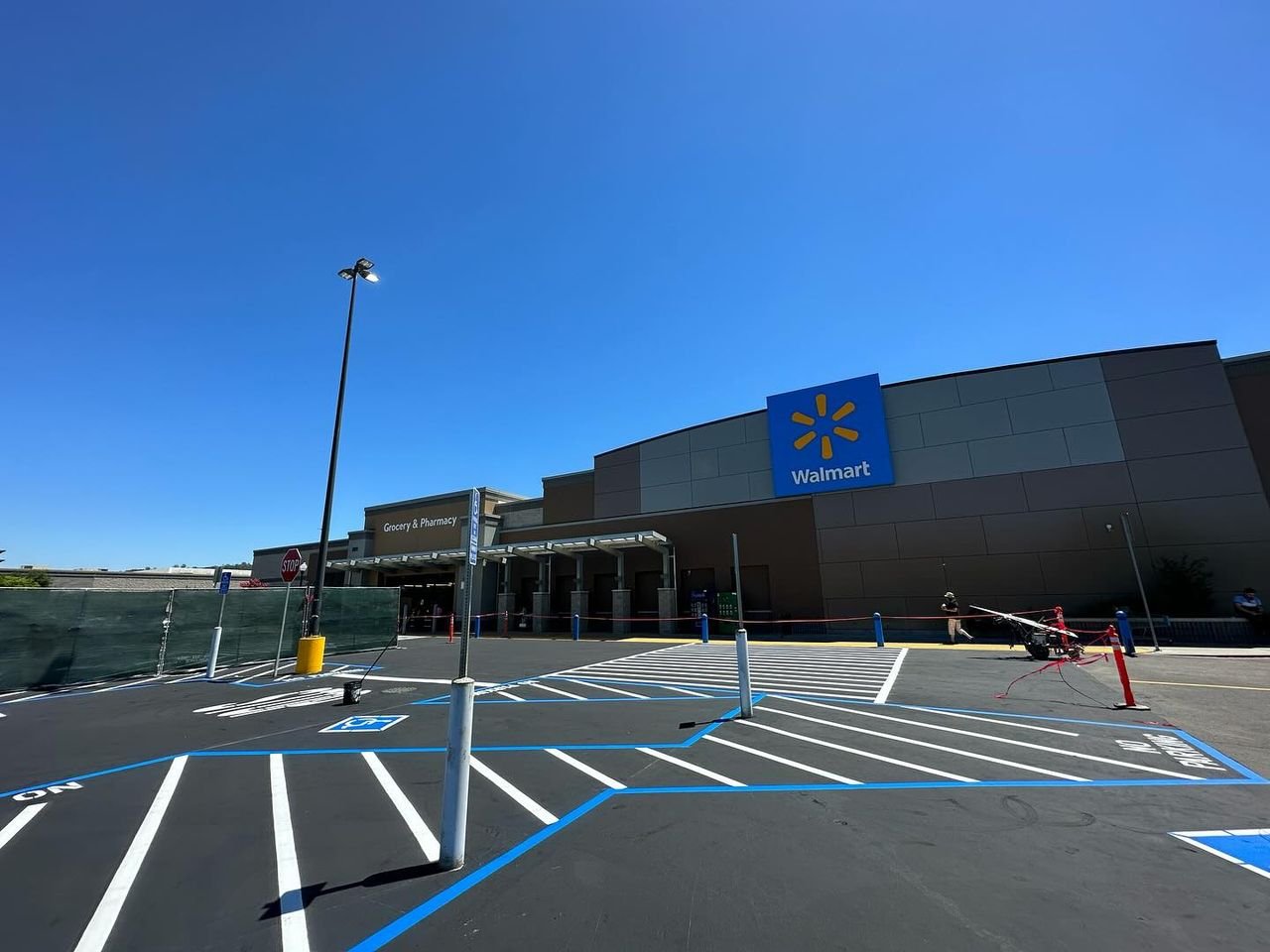
After sealcoating, parking lot striping, ADA markings, and directional arrows must be reapplied.
Fresh striping improves safety, compliance, and overall appearance.
Can You Seal a Parking Lot Yourself?
While small residential driveways can sometimes be sealed by homeowners, commercial parking lots require professional equipment, materials, and experience.
Improper application can result in:
Uneven coverage
Premature wear
Trapped moisture
Poor adhesion
For large surfaces, hiring experienced asphalt contractors ensures the job is done correctly and delivers long-term value.
How Often Should Commercial Parking Lots Be Sealed?
Most commercial parking lots benefit from sealcoating every 2–4 years, depending on:
Traffic volume
Sun exposure
Climate
Maintenance history
High-traffic lots may require more frequent sealing to stay protected.
Why Property Owners Choose City Service Asphalt
City Service Asphalt provides professional asphalt sealcoating, crack repair, striping, and maintenance for commercial parking lots across Southern California.
We handle the entire process:
Surface preparation
Repairs
Commercial-grade sealcoating
ADA-compliant striping
Our team helps property owners protect their investment while keeping lots safe, clean, and professional.
Final Thoughts
Understanding how to seal asphalt parking lot surfaces helps property owners avoid unnecessary repairs and extend pavement life. Sealcoating is one of the most cost-effective ways to maintain a parking lot and preserve its appearance.
If your parking lot is showing signs of wear, now is the time to act.
Contact City Service Asphalt today for a free consultation and professional sealcoating services.
FAQs
How often should an asphalt parking lot be sealed?
Most asphalt parking lots should be sealed every 2–4 years, depending on traffic levels, weather exposure, and overall surface condition. High-traffic lots may need sealcoating more frequently.
How long should asphalt cure before sealcoating?
New asphalt should typically cure for 6–12 months before sealcoating. This allows oils to rise and the surface to stabilise, ensuring proper sealcoat adhesion.
What happens if you don’t seal an asphalt parking lot?
Without sealcoating, asphalt becomes vulnerable to UV damage, water penetration, oil spills, and oxidation. This leads to cracking, surface deterioration, and higher repair costs over time.
How long does sealcoating take to dry?
Sealcoating usually dries within 24–48 hours, depending on weather conditions. Parking lots should remain closed during this time to prevent damage and ensure proper curing.
Can sealcoating be done over cracks or damaged asphalt?
No. Cracks and damaged areas must be repaired before sealcoating. Applying sealcoat over unrepaired damage will reduce effectiveness and shorten the lifespan of the surface.
Is sealcoating worth it for commercial parking lots?
Yes. Sealcoating is one of the most cost-effective maintenance options for commercial parking lots. It extends pavement life, improves appearance, and helps avoid expensive resurfacing or replacement.
CITY SERVICE ASPHALT
Reliable paving, sealcoating, and repair experts serving Corona, Riverside, and Orange County. Providing long-lasting asphalt solutions built to withstand California’s weather.
GET IN TOUCH
769 Beverely Road, Corona CA 92879


Sealcoating is one of the most effective ways to protect a commercial parking lot. This guide explains how to seal an asphalt parking lot, when to do it, and how it helps extend pavement life.