
How Thick Should an Asphalt Driveway Be?
A Practical Guide from City Service Asphalt
One of the most important questions homeowners ask when planning a new asphalt driveway is how thick should an asphalt driveway be to ensure long-term performance.
The correct asphalt thickness directly affects durability, resistance to cracking, and how well a driveway handles traffic and weather.
While many people assume thicker is always better, the ideal thickness depends on usage, ground conditions, and the type of asphalt pavement being installed.
This guide explains recommended thickness levels, base preparation, and why professional installation makes all the difference.

Key Takeaways
The proper thickness of an asphalt driveway depends on traffic and use
Most residential driveways perform best at around 3 inches of asphalt
Commercial driveways and loading areas require a thicker structure
A strong aggregate base is just as important as the asphalt layer
Correct thickness reduces frequent repairs and improves lifespan
Table of Contents
Asphalt Driveway Thickness Explained
Recommended Thickness for Residential Driveways
For most residential driveways, the ideal thickness of an asphalt driveway is around 3 inches once compacted.
This typically consists of two layers of hot mix asphalt, allowing for a stable, smooth, and durable driveway surface.
This level of asphalt thickness supports everyday vehicle traffic while maintaining minimal maintenance requirements when paired with proper drainage and routine care.
Thickness for Commercial and Heavy-Duty Use

Commercial driveways, parking areas, and access points near loading docks experience significantly higher loads.
For heavy duty commercial driveways, a thicker layer of asphalt pavement is required to prevent deformation and fatigue cracks.
These installations often use a thicker binder layer beneath the surface asphalt layer, increasing the total thickness to withstand repeated stress and heavier vehicles.
Why the Base Layer Matters
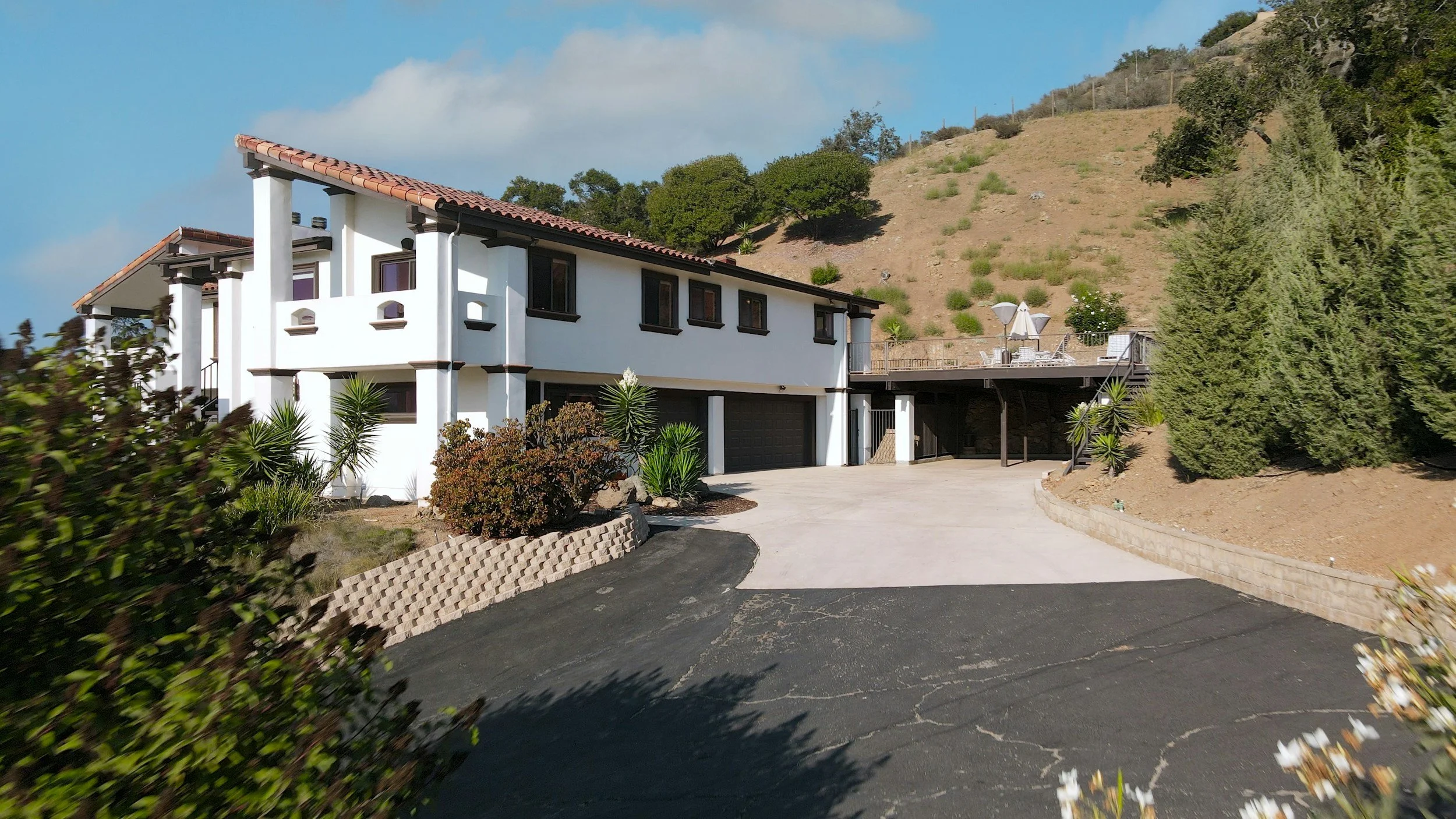
Even the best hot mix asphalt will fail without a strong foundation.
A properly prepared aggregate base, typically made from crushed stone or granular base aggregate, provides stability and good drainage.
The base layer must be installed over compacted aggregate to support the driveway asphalt above it.
Without proper drainage, water can collect beneath the surface, leading to frequent repairs and surface damage over time.
How Thickness Affects Performance
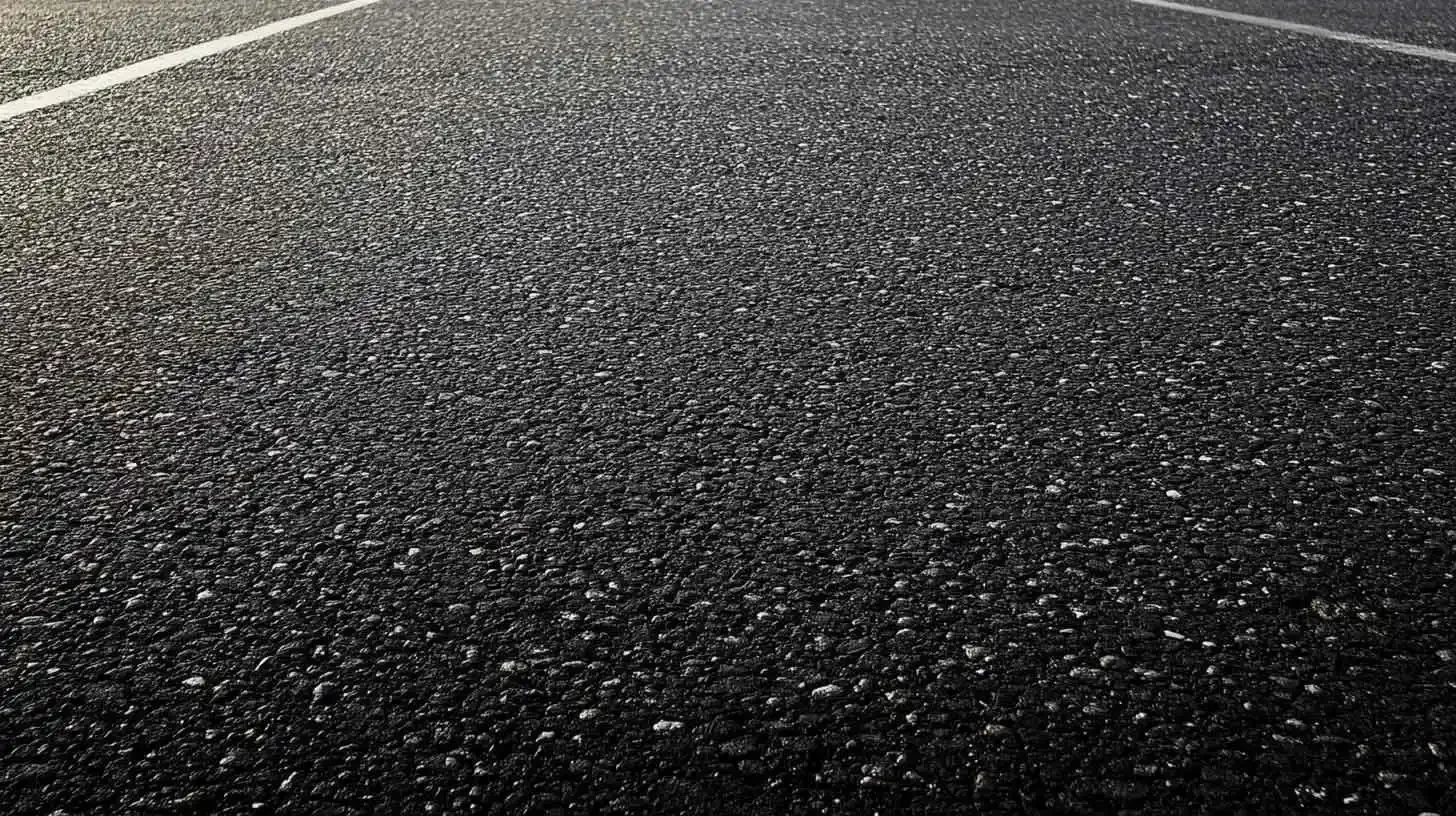
A new asphalt driveway built with the correct thickness resists temperature fluctuations, reduces cracking, and protects against damage caused by uv rays.
Too little asphalt increases the risk of fatigue cracks, while excessive thickness adds unnecessary cost without added benefit.
Matching the ideal thickness to usage ensures the asphalt remains in top shape and performs as intended for years.
City Service Asphalt
City Service Asphalt designs and installs asphalt driveways using proven thickness standards tailored to each project.
By evaluating soil conditions, traffic load, and drainage needs, City Service Asphalt ensures the proper thickness, a stable aggregate base, and long-lasting results that lead to satisfied customers across residential and commercial properties.
Final Thoughts
Understanding how thick should an asphalt driveway be helps prevent costly mistakes and ensures long-term durability. Whether you’re replacing an old driveway or planning a new asphalt driveway, correct thickness and professional installation are key.
If you want a durable driveway built to the right specifications, expert guidance makes all the difference.
Get a Free Quote to discuss your driveway project with City Service Asphalt.
FAQs
What is the minimum thickness for an asphalt driveway?
Most residential driveways require at least 3 inches of compacted asphalt for reliable performance.
Does a thicker asphalt driveway last longer?
Not always. Proper base preparation and correct asphalt thickness matter more than simply adding extra material.
Can an existing driveway be resurfaced to increase thickness?
In some cases, adding an asphalt layer can help, but base condition must be evaluated first.
Is asphalt thickness different for commercial properties?
Yes. Commercial driveways and parking areas typically need greater total thickness due to heavier traffic.
How does drainage affect asphalt driveway thickness?
Poor drainage undermines even thick asphalt. Good drainage and a stable aggregate base are essential.
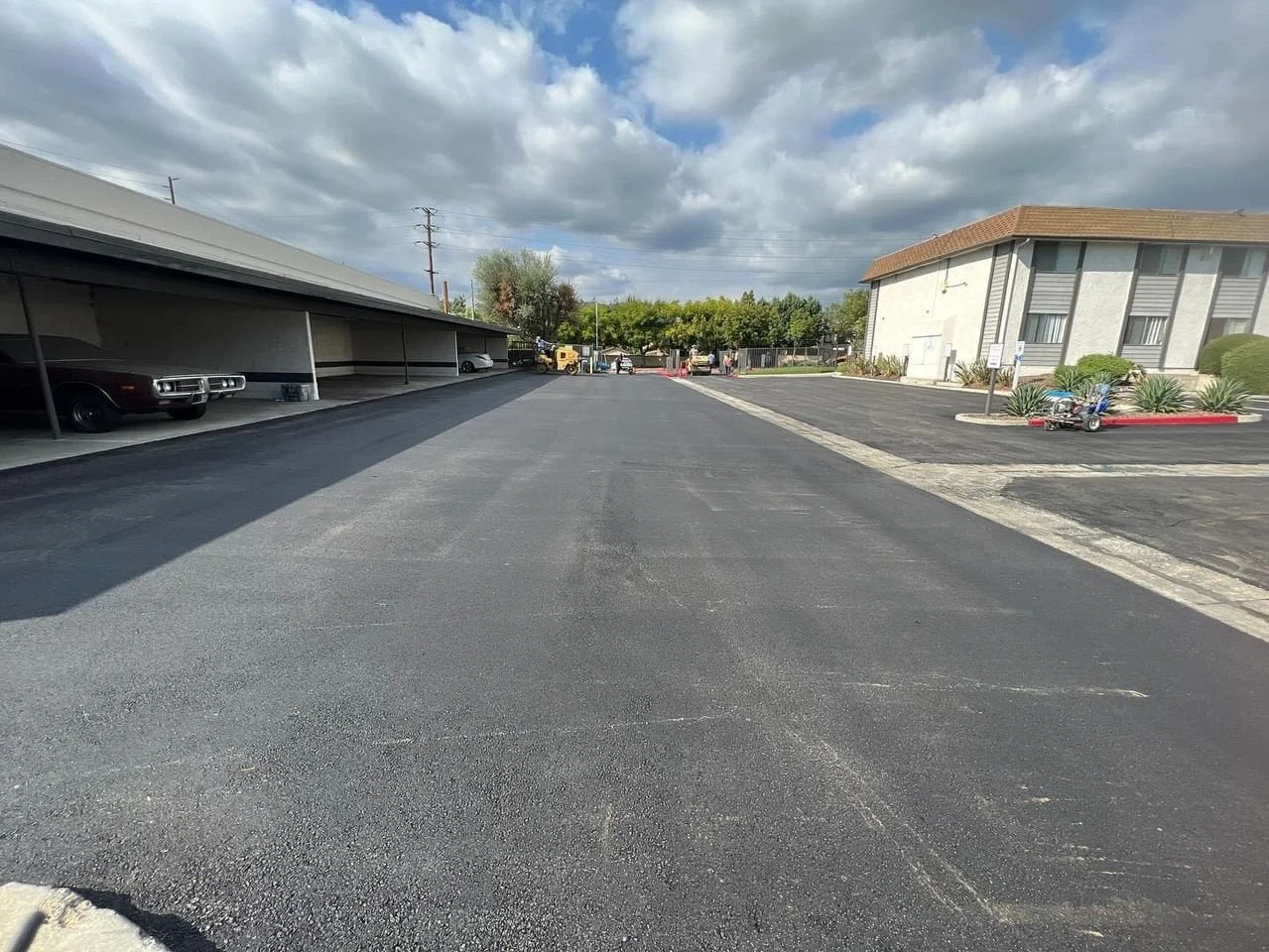
CITY SERVICE ASPHALT
Reliable paving, sealcoating, and repair experts serving Corona, Riverside, and Orange County. Providing long-lasting asphalt solutions built to withstand California’s weather.
GET IN TOUCH
769 Beverely Road, Corona CA 92879



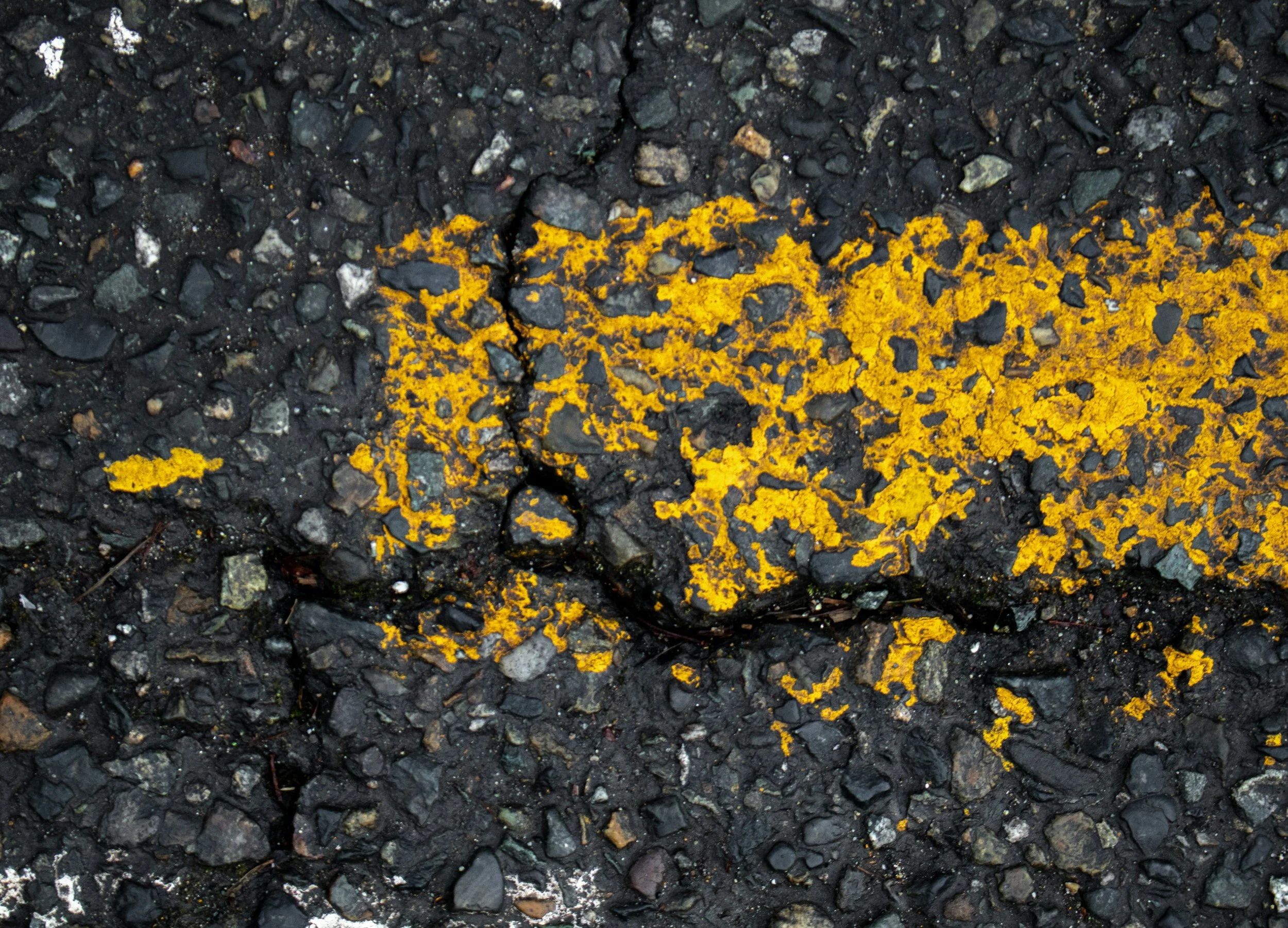


Sealcoating is one of the most effective ways to protect a commercial parking lot. This guide explains how to seal an asphalt parking lot, when to do it, and how it helps extend pavement life.