
Common Causes & How to Prevent Damage
One of the most common questions property owners ask is why does asphalt crack, especially when a surface looked fine just a short time ago.
Asphalt cracks are an early warning sign that something beneath or on the asphalt surface is going wrong.
Cracking can affect driveways, parking lot areas, and larger asphalt pavement installations.
While some cracking is unavoidable over time, understanding the causes of asphalt cracking helps prevent further deterioration, costly repairs, and long-term asphalt damage.
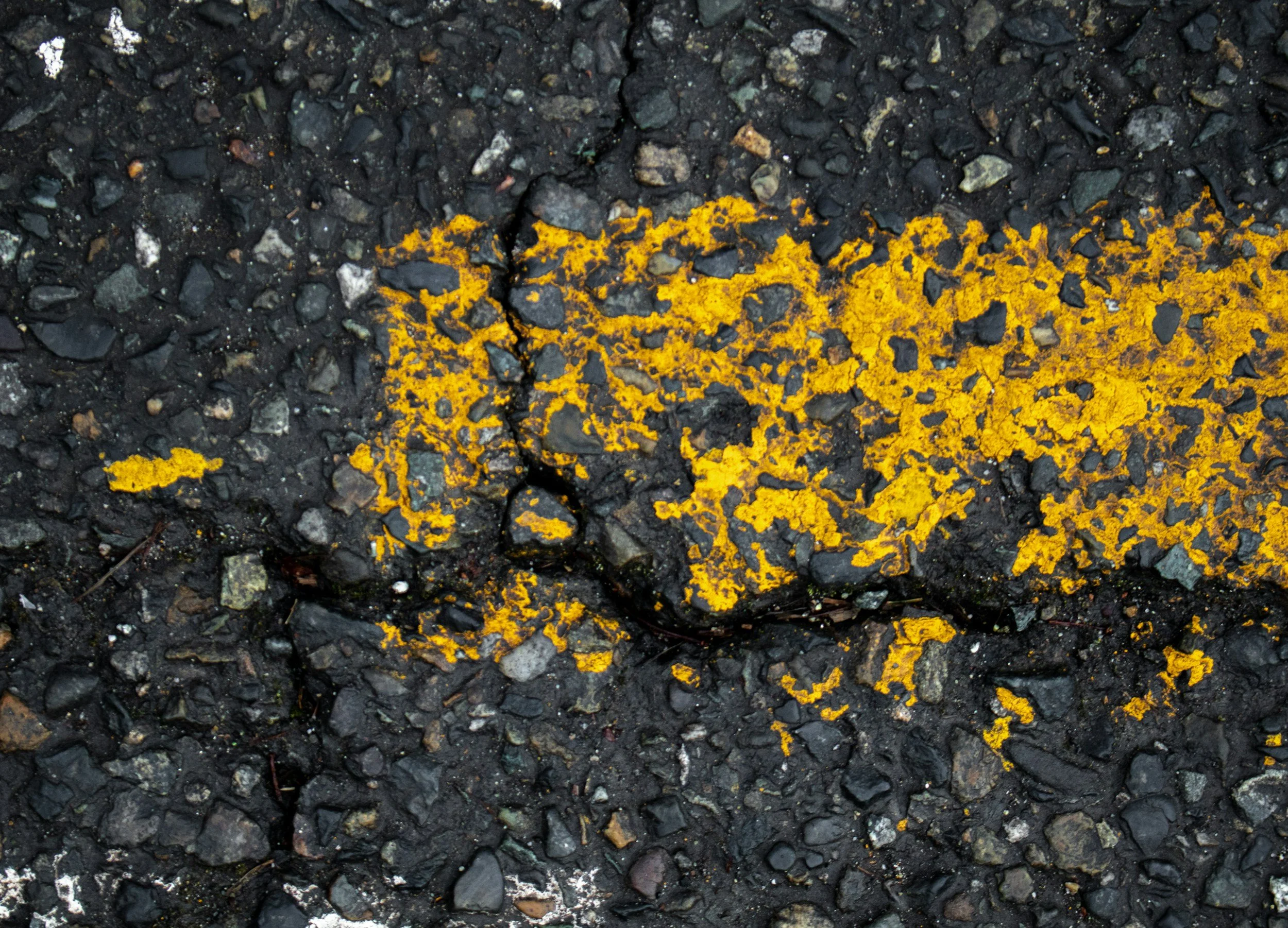
Key Takeaways
Asphalt cracks form due to weather, traffic, and base issues
Poor drainage and water are a common culprit
Small cracks can quickly become bigger problems if left untreated
Regular inspections and maintenance help prevent cracks
Early repairs protect asphalt in the long run
Table of Contents
Common Causes of Asphalt Cracking
Weather & Temperature Changes
One of the primary common causes of asphalt cracks is exposure to changing weather conditions. In areas with hot summers and cold winters, temperature changes cause the asphalt material to expand and contract.
Over time, this repeated movement makes asphalt more brittle and prone to cracking.
New asphalt is flexible at first, but as it ages, heat, UV exposure, and oxidation reduce its durability, making cracks more likely to occur.
Traffic Loads & Heavy Vehicles
Another major factor is traffic.
Heavy traffic, frequent vehicles, and heavy vehicles place stress on the surface layer of asphalt pavement.
When traffic loads exceed what the pavement was designed to handle, asphalt paving cracks begin to form.
This is especially common in parking lot areas and commercial paving where vehicles stop, turn, and idle repeatedly.
Drainage & Water Damage
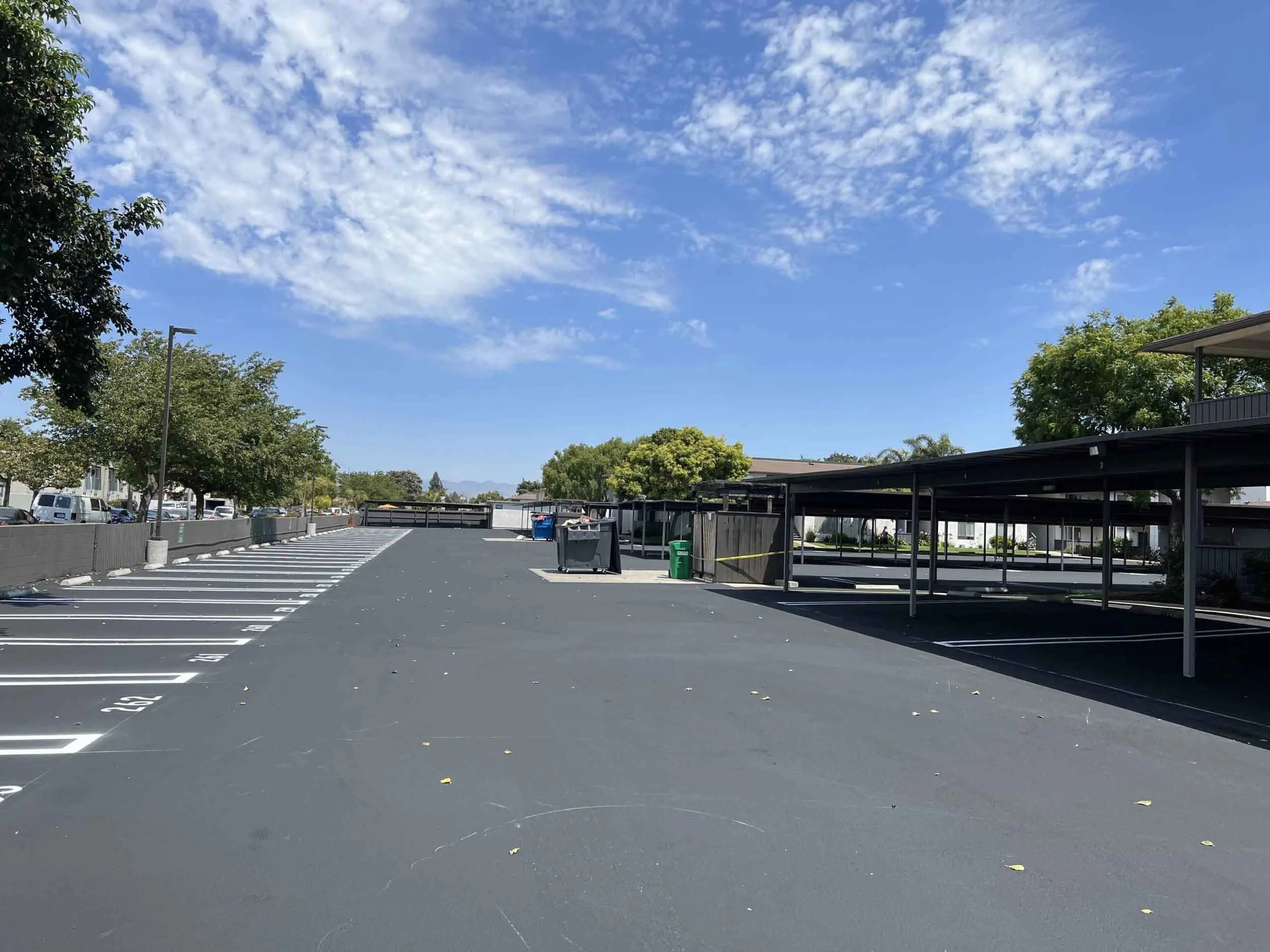
Water is one of the biggest threats to asphalt. Poor drainage allows moisture to sit on the surface or seep below it.
Once water enters, it weakens the base and leads to water damage.
Without proper drainage, rainwater and runoff cause further damage, accelerating deterioration and leading to potholes.
Water intrusion is often invisible at first but leads to significant damage over time.
Vegetation & Ground Movement
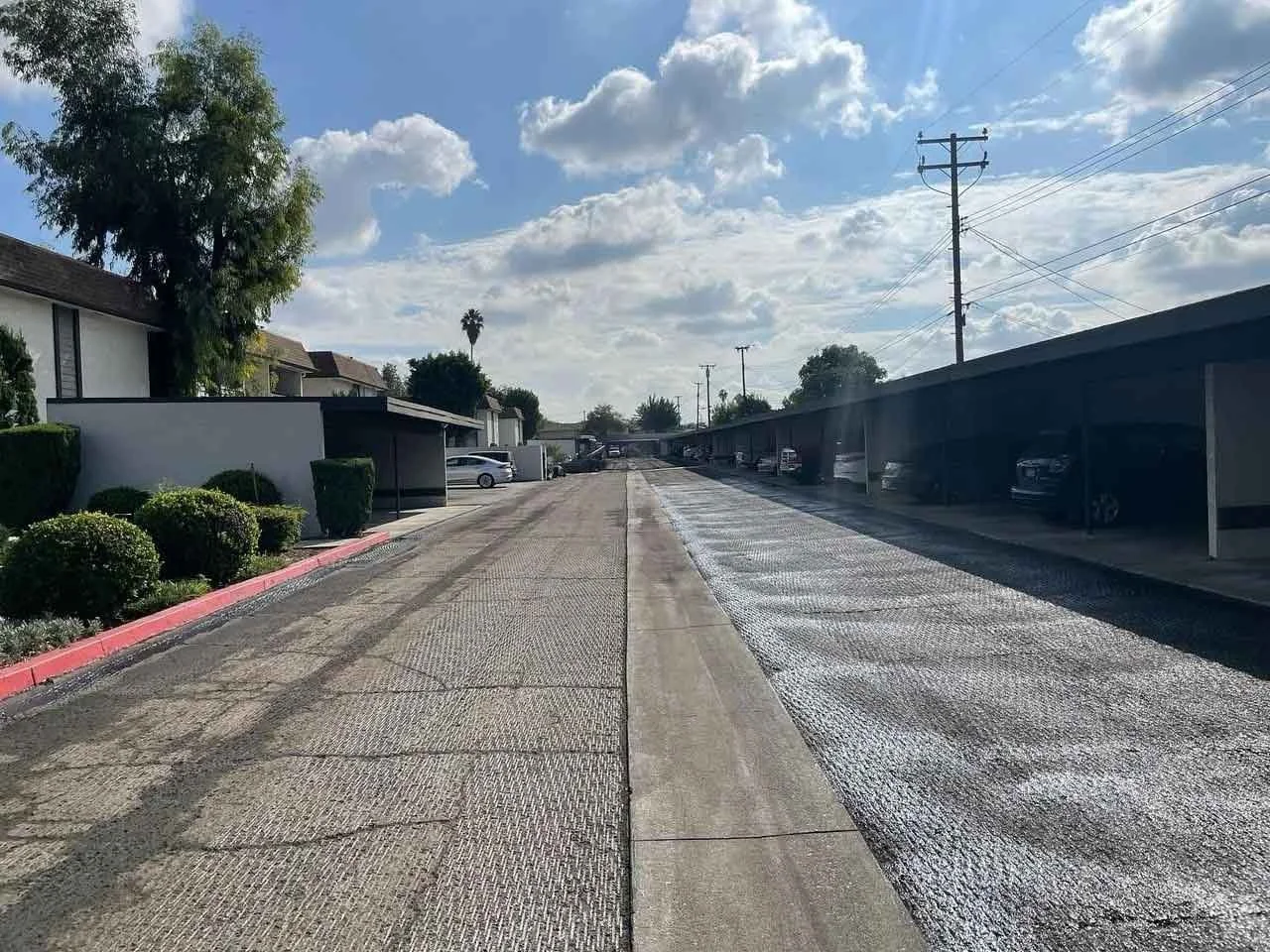
Tree roots, weeds, and surrounding vegetation can push up from below the pavement, causing the ground to shift.
When roots grow near edges, they create pressure points where cracks are more likely to form.
In some cases, nearby landscaping choices — such as planting trees too close — can contribute to cracking and further deterioration of the asphalt surface.
Types of Asphalt Cracks to Watch For
Not all cracks are the same. Minor cracks and small cracks may look harmless but can quickly lead to larger cracks and major issues.
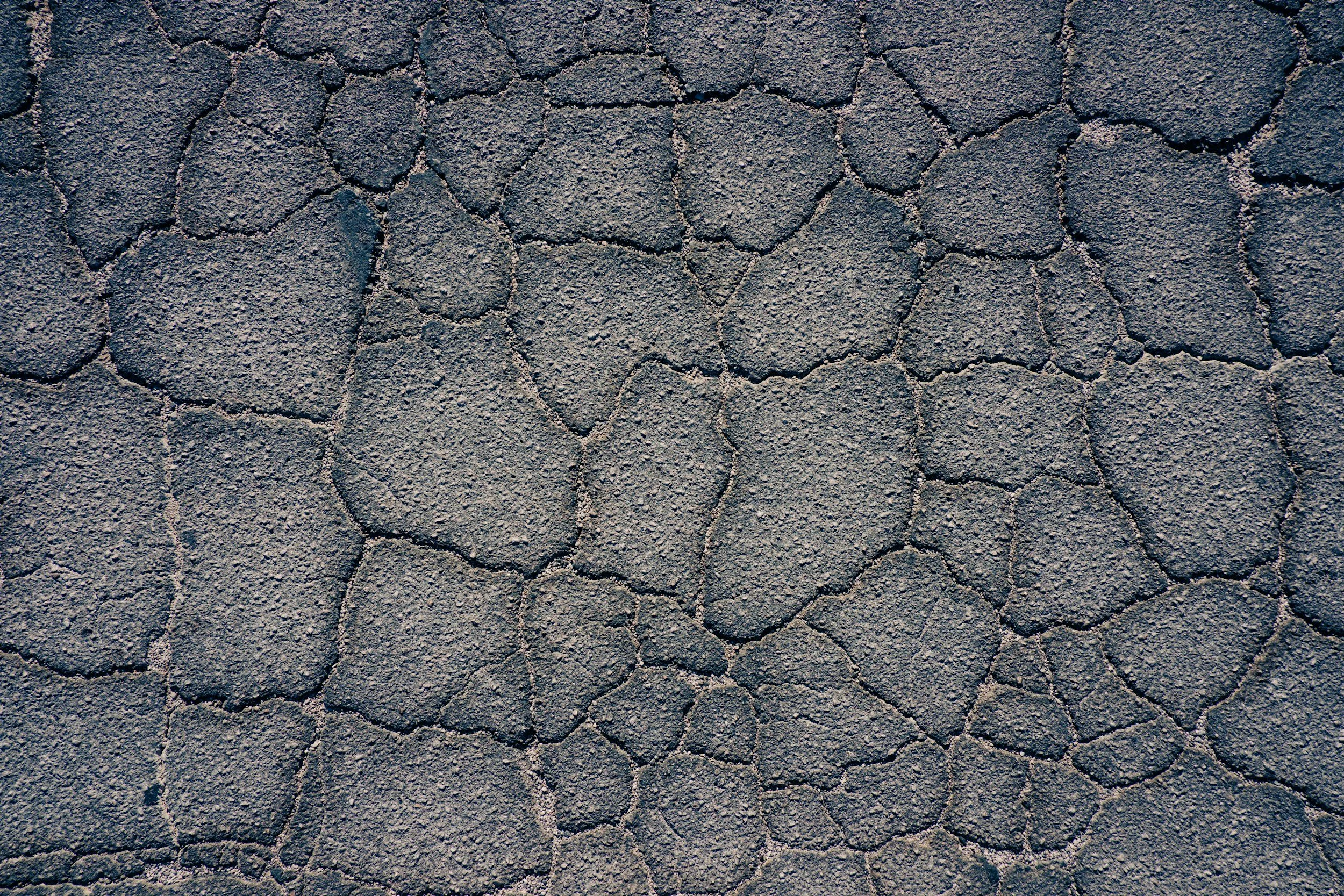
Alligator cracking: A web-like pattern caused by base failure
Linear cracks: Often caused by temperature stress
Edge cracking: Linked to drainage and shoulder failure
When you notice cracks, early action helps fix the issue before it spreads.
Why Early Repairs Matter
Ignoring asphalt cracks allows water, chemicals, and debris to penetrate deeper into the pavement. Once damage spreads, repairs become more expensive and disruptive.
Routine inspections and regular maintenance help keep asphalt well maintained, reduce the need for costly repairs, and improve overall durability. Addressing cracks early protects the surface, improves safety, and extends pavement life.
City Service Asphalt
City Service Asphalt works with property owners to identify the common causes of asphalt cracking and address them before they lead to bigger problems.
Using quality materials, correct installation, and proven paving techniques, City Service Asphalt helps clients protect their asphalt surfaces, manage repairs, and prevent premature asphalt damage across driveways and commercial sites.
Final Thoughts
So, why does asphalt crack?
In most cases, it’s the result of weather, water, traffic, and inadequate preparation. While cracking is inevitable over time, proactive care makes a significant difference.
If cracks are starting to appear on your driveway or parking lot, professional evaluation can help stop the damage before it spreads.
Get a Free Quote to assess your asphalt and plan the right repairs.
FAQs
Are asphalt cracks normal?
Yes, cracking is common as asphalt ages, but excessive cracks indicate underlying issues that need attention.
Can small cracks turn into potholes?
Yes. When water enters cracks and freezes or erodes the base, potholes often follow.
How often should asphalt be inspected?
It’s best to inspect asphalt pavement regularly, at least once a year and after extreme weather.
Does sealing prevent cracks?
Seal Coating helps protect the surface but does not stop structural cracking caused by base failure.
When should I call a contractor?
If cracks are spreading, deepening, or forming patterns like alligator cracking, a professional contractor should assess the surface.
CITY SERVICE ASPHALT
Reliable paving, sealcoating, and repair experts serving Corona, Riverside, and Orange County. Providing long-lasting asphalt solutions built to withstand California’s weather.
GET IN TOUCH
769 Beverely Road, Corona CA 92879

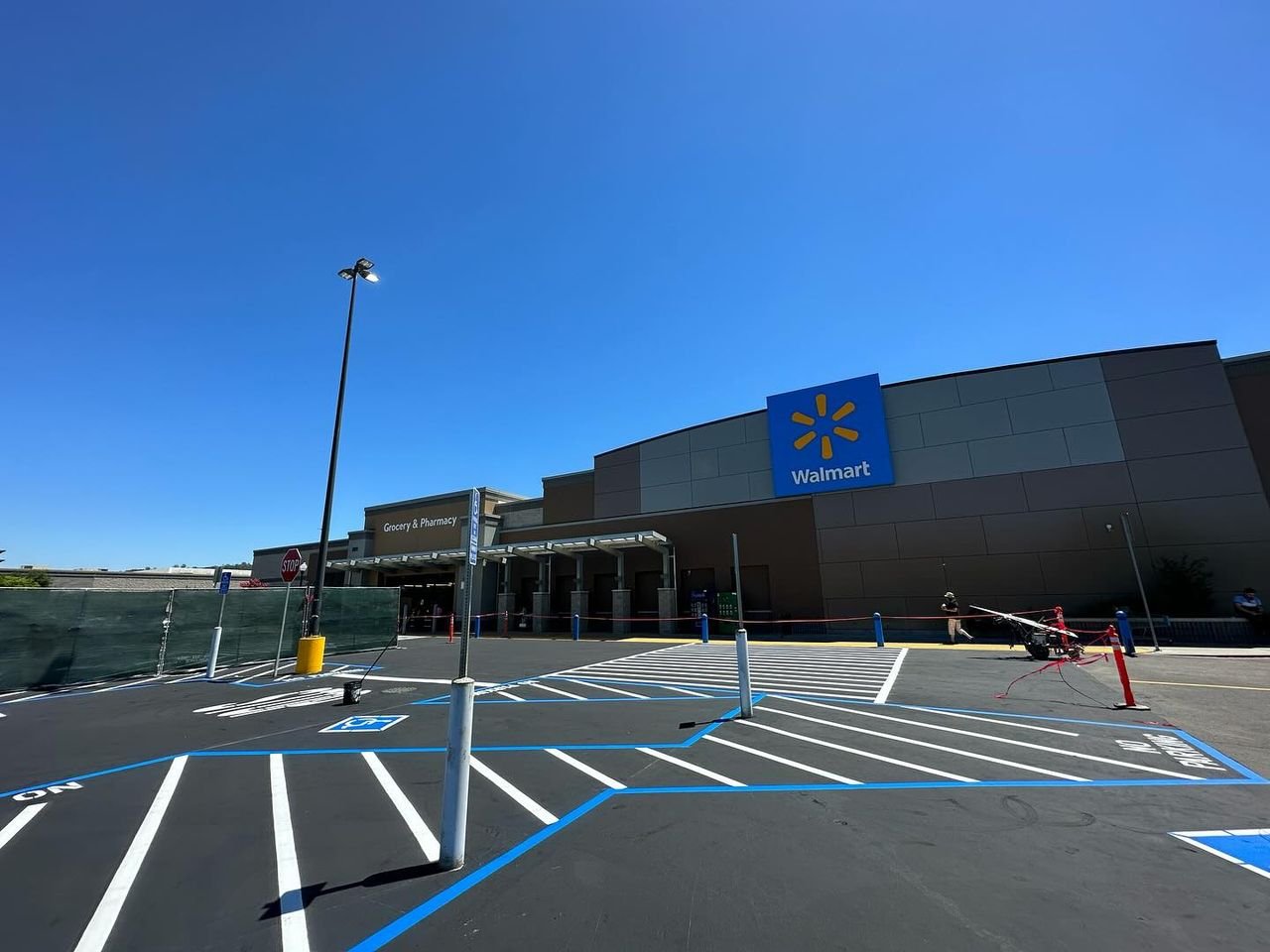



Sealcoating is one of the most effective ways to protect a commercial parking lot. This guide explains how to seal an asphalt parking lot, when to do it, and how it helps extend pavement life.