
Asphalt vs Concrete for Parking Lots: What’s Best for Commercial Properties?
Choosing the right material for a commercial parking lot is a major decision. Property owners and facility managers often ask the same question: asphalt vs concrete — which is better for parking lots?
The answer depends on budget, usage, maintenance expectations, and local conditions. In Southern California, where traffic levels, heat, and long-term durability all matter, the choice can significantly impact costs and performance over time.
This guide breaks down the differences between concrete and asphalt parking lots to help commercial property owners make an informed decision.
Key Takeaways
Asphalt is more cost-effective for most commercial parking lots
Asphalt allows for faster installation and less business disruption
Concrete lasts longer in some cases but costs more to install and repair
Asphalt repairs are simpler, quicker, and less noticeable
Choosing the right material depends on traffic, budget, and long-term goals
Table of Contents
Understanding Asphalt Parking Lots
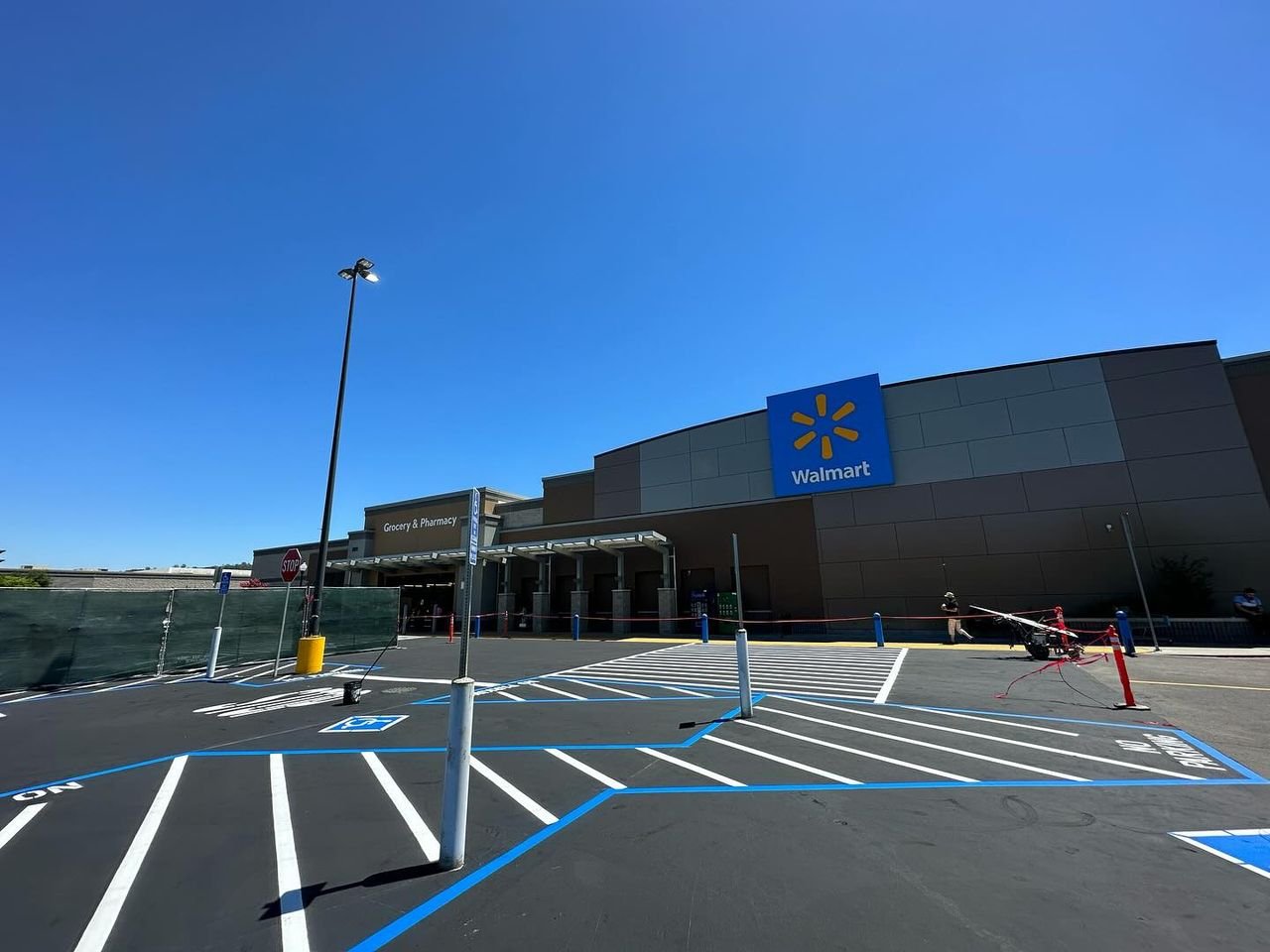
Asphalt is one of the most common materials used for commercial parking lots. It’s made from a flexible petroleum-based binder mixed with aggregates, allowing it to adapt to traffic stress and minor ground movement.
Benefits of Asphalt for Commercial Parking Lots
Lower upfront installation cost
Faster installation and curing time
Easier and less expensive repairs
Flexible surface that handles heavy traffic well
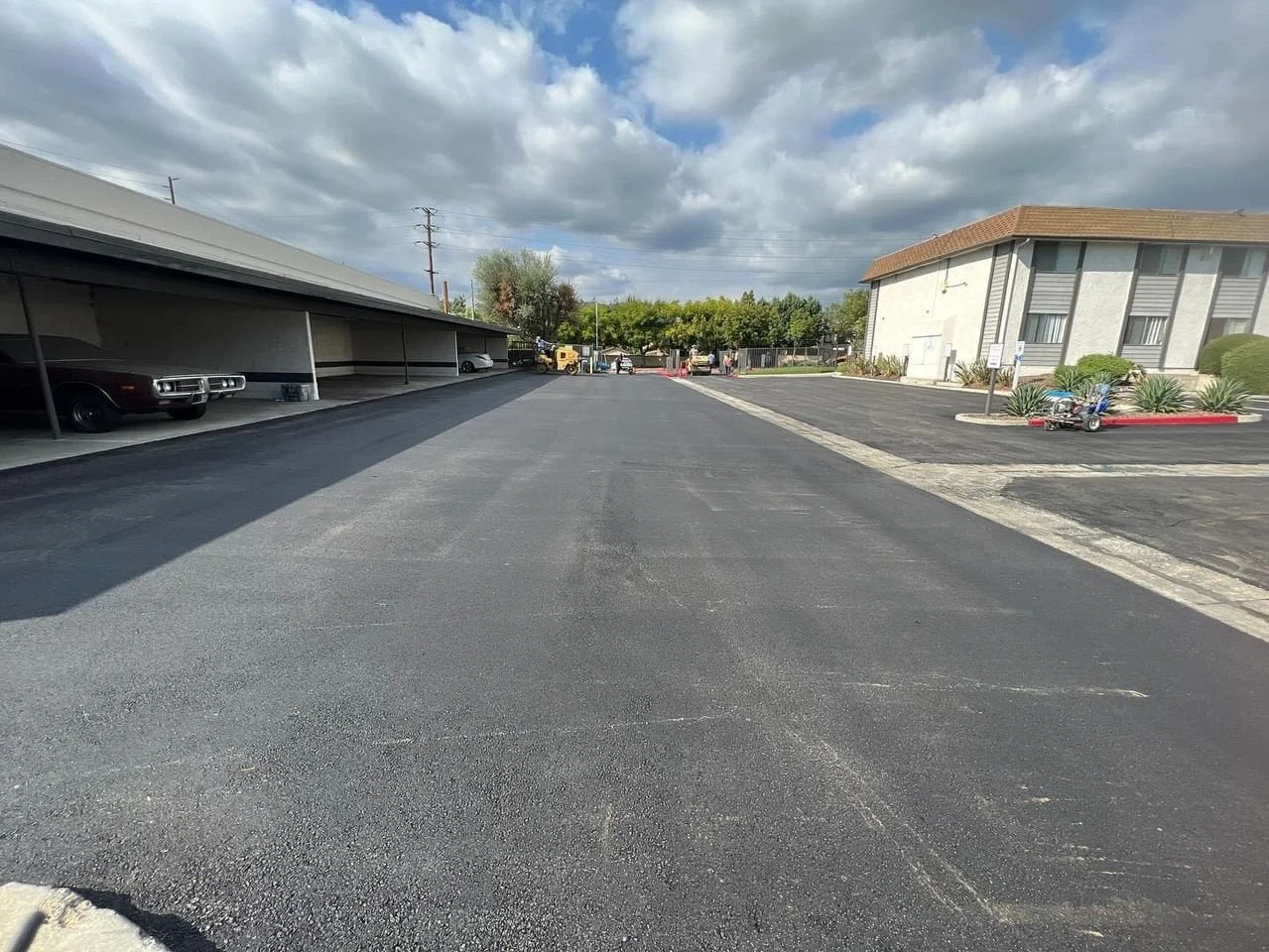
Asphalt parking lots can often be opened to traffic within 24–48 hours, making them ideal for businesses that cannot afford extended downtime.
Understanding Concrete Parking Lots
Concrete parking lots are built using cement-based material that hardens into a rigid surface. They are commonly used in high-end commercial developments or locations requiring long-term structural strength.
Benefits of Concrete for Commercial Parking Lots
Longer lifespan when properly installed
Less frequent resurfacing
Strong load-bearing capacity
Lighter colour improves night time visibility
However, concrete typically comes with higher installation costs and longer curing times, which can impact business operations during construction.
Cost Comparison: Asphalt vs Concrete

For most commercial properties, asphalt is more cost-effective upfront.
Concrete parking lots can cost significantly more due to material prices, labour, and longer installation timelines.
While concrete may last longer in some cases, asphalt’s lower initial cost and affordable maintenance often make it the better long-term value for many businesses — especially when regular sealcoating and repairs are part of the maintenance plan.
Maintenance & Repairs: Which Is Easier to Manage?

Asphalt Maintenance
Asphalt requires routine maintenance such as:
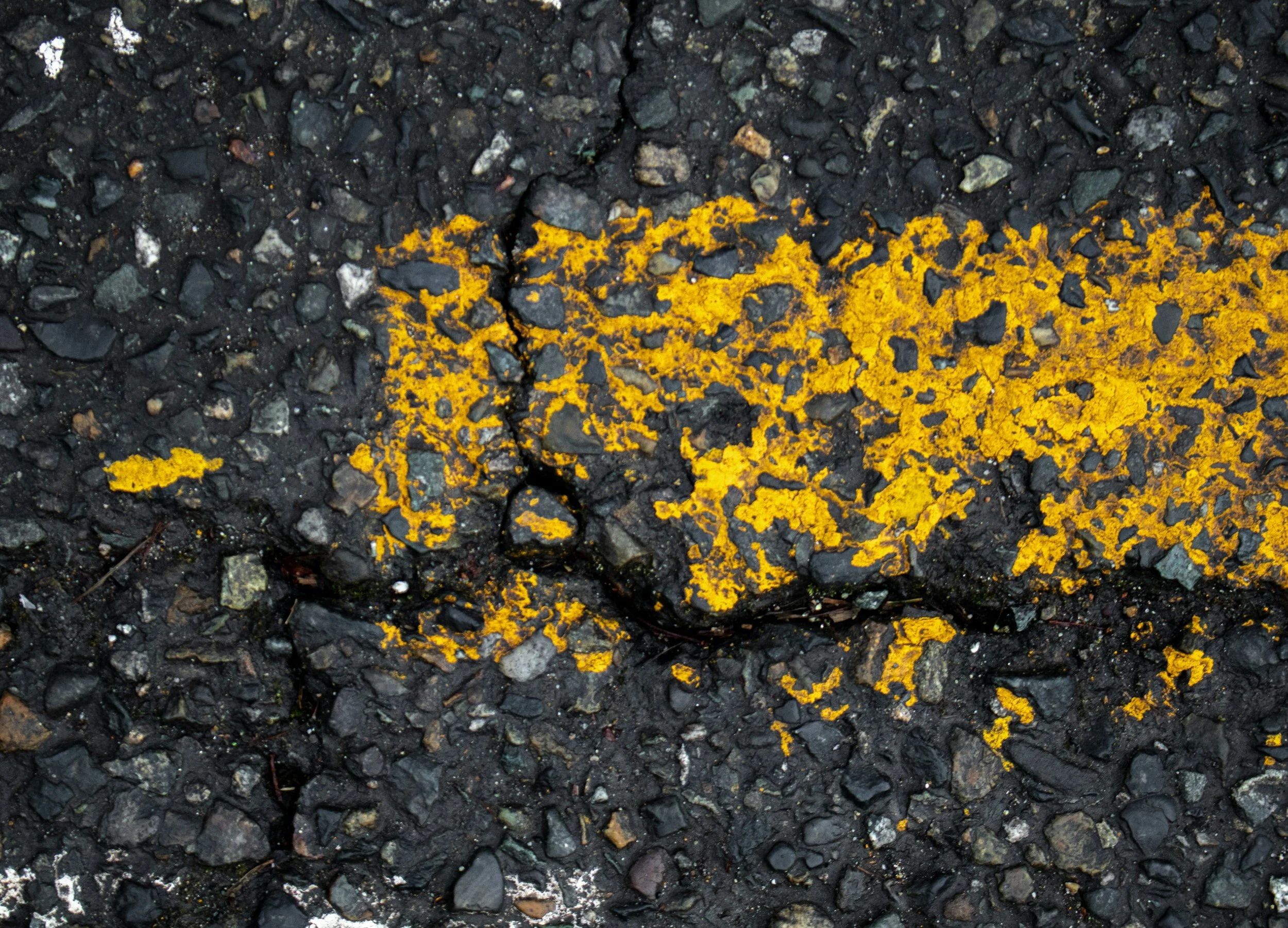
The advantage is that these repairs are quick, affordable, and localised. Small issues can be fixed before they become major problems.
Concrete Maintenance
Concrete maintenance is less frequent, but repairs can be more costly. Cracks often require full panel replacement rather than simple patching, and repairs are more noticeable.
For commercial properties with high traffic, asphalt’s repair flexibility is often a major advantage.
Performance in Southern California Conditions
Southern California’s climate plays an important role in material performance.
Asphalt performs well in warm climates and can handle expansion and contraction caused by temperature changes.
Concrete reflects heat better but is more prone to cracking if ground movement occurs.
For properties with frequent vehicle traffic, delivery trucks, or heavy loads, asphalt’s flexibility often results in fewer long-term issues.
Installation Time & Business Disruption
Time matters for commercial properties.
Asphalt parking lots can often be installed and reopened within days
Concrete may require a week or more before it’s fully cured and ready for use
If minimising downtime is a priority, asphalt is usually the better option.
Aesthetic & Striping Considerations
Asphalt provides a clean, dark finish that makes striping highly visible. Line striping, ADA markings, and directional arrows can be easily updated or refreshed.
Concrete offers a lighter appearance but can show stains more easily and is less forgiving when changes are needed to layout or striping.
Which Is Best for Commercial Parking Lots?
For most commercial properties, asphalt is the preferred choice due to:
Lower upfront costs
Faster installation
Easier repairs
Better flexibility under traffic stress
Concrete may be suitable for specific use cases, but asphalt remains the most practical and cost-effective solution for the majority of parking lots.
Why Commercial Property Owners Choose City Service Asphalt
City Service Asphalt specialises in commercial asphalt paving, parking lot installation, overlay, repairs, sealcoating, and striping across Southern California.
We help property owners choose the right solution based on:
Traffic volume
Budget
Property usage
Long-term maintenance goals
Whether you’re installing a new parking lot or upgrading an existing one, our team delivers durable, compliant, and professional results.ed.
Final Thoughts
When comparing asphalt vs concrete for parking lots, asphalt is the preferred choice for most commercial properties. It offers lower upfront costs, faster installation, easier repairs, and flexibility under heavy traffic — all of which matter for active business environments.
Concrete may be suitable for specific applications, but for most property owners, asphalt delivers better value and long-term performance.
If you’re planning a new parking lot or considering resurfacing an existing one, City Service Asphalt can help you make the right decision based on your property’s needs.
Contact City Service Asphalt today for a free consultation and expert guidance on your commercial parking lot project.
FAQs
Is asphalt or concrete better for commercial parking lots?
Asphalt is usually the better option for commercial parking lots due to its lower upfront cost, faster installation, and easier repairs. It performs well under heavy traffic and allows businesses to minimise downtime.
How long does an asphalt parking lot last?
With proper maintenance such as sealcoating and crack repair, an asphalt parking lot can last 20–30 years. Regular upkeep helps extend lifespan and reduces the need for full replacement.
Is concrete more durable than asphalt?
Concrete can last longer in some cases, but it is more rigid and prone to cracking if the ground shifts. Asphalt is more flexible, which makes it better suited for areas with heavy traffic and ongoing use.
Which parking lot material is cheaper to maintain?
Asphalt is generally cheaper to maintain. Repairs like patching and crack filling are quicker and more affordable compared to concrete, which often requires full slab replacement.
How long does it take to install an asphalt parking lot?
Most asphalt parking lots can be installed and reopened within 24–48 hours, depending on size and conditions. Concrete typically requires a longer curing period before it can be used.
CITY SERVICE ASPHALT
Reliable paving, sealcoating, and repair experts serving Corona, Riverside, and Orange County. Providing long-lasting asphalt solutions built to withstand California’s weather.
GET IN TOUCH
769 Beverely Road, Corona CA 92879



Sealcoating is one of the most effective ways to protect a commercial parking lot. This guide explains how to seal an asphalt parking lot, when to do it, and how it helps extend pavement life.